
Site Images
A closer look
Historical Background
The story of the site
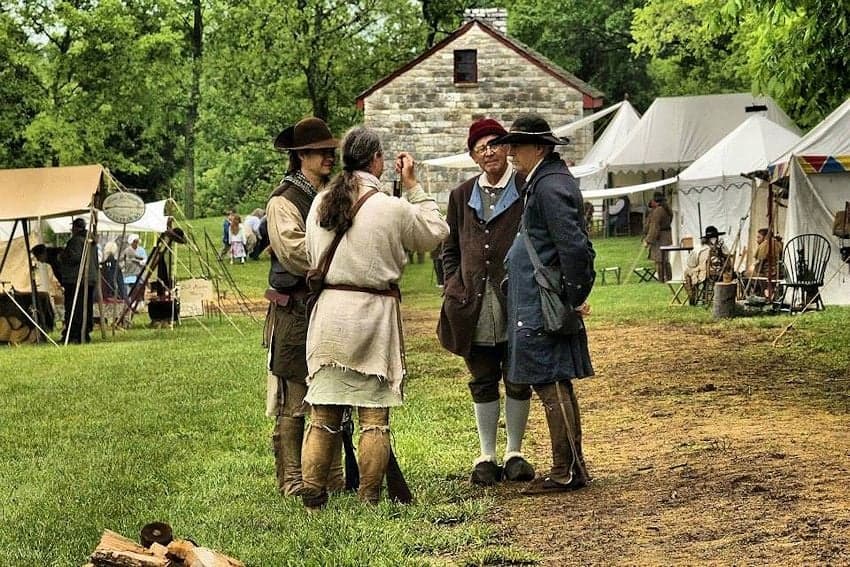
Bledsoe’s Fort Historical Park preserves one of the most important frontier landscapes in Sumner County. In 1780, Isaac Bledsoe chose this area near Bledsoe’s Lick for a settlement and fort, making it one of the earliest organized frontier stations in the region that became Sumner County. The original fort no longer stands, but the park protects the archaeological site and interprets the difficult years when settlers entered the Cumberland region after the American Revolution. The park includes landscape features connected to Bledsoe’s Lick, Avery’s Trace, early pioneer settlement, and the Bledsoe family. Visitors can also encounter historic structures and features associated with the broader frontier community, including the Hugh Rogan Cottage, the Nathaniel Parker Cabin, pioneer cemetery grounds, and artifacts connected to thousands of years of occupation in the Castalian Springs area. Together, these resources help tell the story of Native presence, longhunters, Revolutionary War veterans, early migration, and the families who shaped the beginnings of Sumner County.
Historical Context
Bledsoe’s Fort, also known as Bledsoe’s Station, was part of the first wave of Euro-American settlement in the Cumberland region. Isaac Bledsoe discovered Bledsoe’s Lick and Bledsoe’s Creek in 1772, later choosing the area for a stockaded fort near the lick. The fort became a key location during the frontier period, when settlers faced repeated conflict and hardship. Anthony Bledsoe was killed at the fort in 1788, and Isaac Bledsoe was killed near his fort in 1793. The modern historical park preserves this landscape as a public place for interpretation, remembrance, and education.